

مسئولیت اجتماعی جهانی و احیای گفتگو گوته و حافظ مرهمی بر جنگ تحمیلی
نامهای درباره مسئولیت اجتماعی جهانی (GSR) و ضرورت احیای گفتگوی فرهنگی حافظ و گوته؛ تلاشی برای تقویت گفتگوی تمدنها، کاهش تنشهای جهانی و یافتن مرهمی فرهنگی برای جنگها و بحرانهای معاصر.
نامه ای در اثنا جنگ تحمیلی از یکی از تشکل های علمی به دستمان رسید که مسئولیت اجتماعی جهانی تشکل های جهانی را متذکر شده است، ما هم جهت کمک و به مقصد رساندن آن بطور کامل نسخه فارسی و انگلیسی آن را نشر می دهیم.
نامه شماره ۲۴۲۶ مورخ ۱۰ فروردین ماه ۱۴۰۵ و سی مارس ۲۰۲۶
نماینده گرامی یوهان ولفگانگ فون گوته، دانشمند، دولتمرد آلمانی و شاعر شهیر West‑östlicher Divan
نماینده گرامی یوزف فون هامر-پورگشتال، خاورشناس شهیر، دیپلمات و نویسنده اتریشی قرن نوزدهم
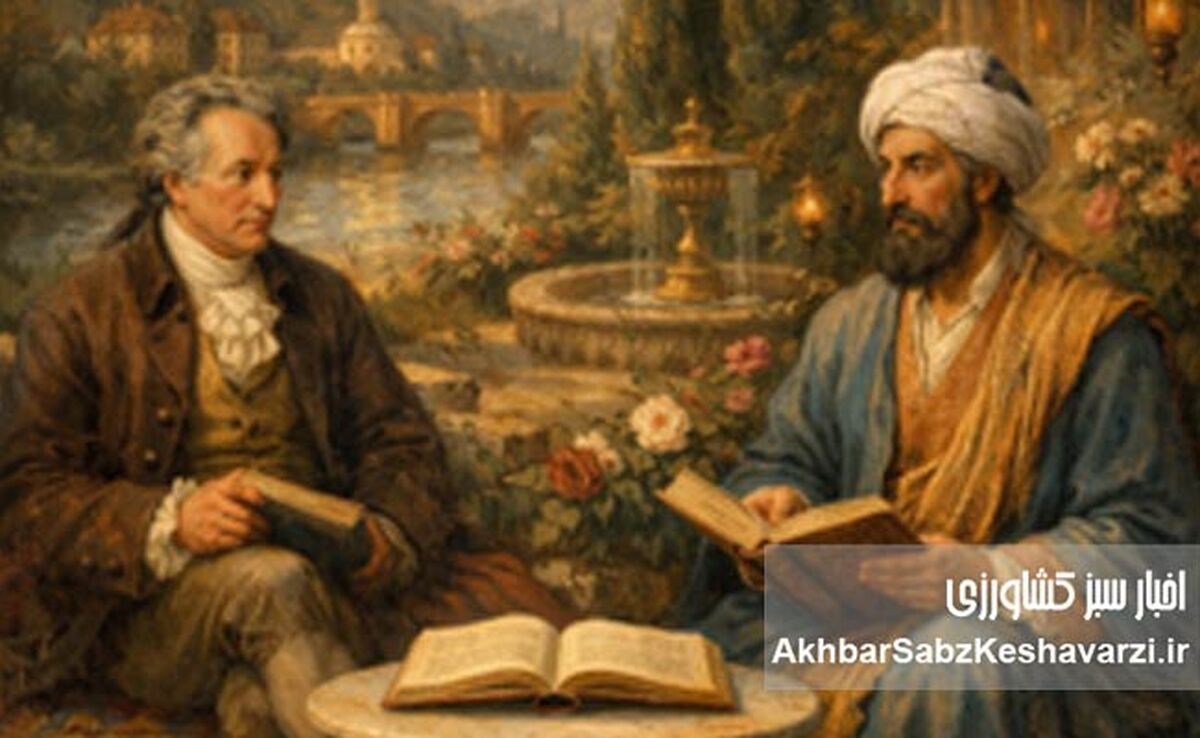
احیای گفتگوی حافظ و گوته؟، گوته: حافظ! در تو خود را مییابم، من که از غربام، در شرقِ تو حضور دارم
حتی زیر فشار جنگ تحمیلی ۲۸ فوریه ۲۰۲۶، میراثداران تمدن ماندگار ایرانی در نوروز (۲۱ مارس) با حافظ شیرازی (قرن چهاردهم) گفتگو میکنند. ۲۲ مارس ۱۸۳۲ که گوته در وایمار آلمان درگذشت، نیز نباید پایانی بر گفتگوی آن شاعران شهیر باشد. اگر آنها توانستند با پنج قرن فاصله، از رهگذر ترجمههای ۱۸۱۲ و ۱۸۱۳ هامر، با هم گفتگو کنند؛ چرا تشکلهای علمی، فرهنگی و دیپلماتیک نتوانند سدی در برابر جنگهای شبهتئوریزه اقتصادی و اشاعه رفتارهای شکارگری باشند؟ تا فارغ از ساختارهای ملی و بینالمللی، نمادی از پیوند فرهنگها و تمدنها باشند؛ و شاید اثر جمعی دیگری همچون "دیوان غربی شرقی" (گوته، ۱۸۱۹) پدید آورند.
گوته: حتی اگر جهان فرو ریزد، حافظ! تنها تویی که سزاواری تا چشم در چشم، گفتگو و به مشاعره بنشینیم.
پیشنهاد میکنیم به تهران یا شیراز، کنار مزار حافظ، تشریف بیاورید تا به اتفاق فال دیگری به دیوان حافظ بزنیم و همچون اسلاف ما و شما، عاشقانه و عالمانه در پی گشودن گرههای (Nexus) فروبسته خویش برآییم؛ گوته در حافظ نوعی آشتی میان شادی و حکمت، لذت و معنویت یافته بود. شاید ما هم توأماً در طوفان تحریمها و تلاطم جنگها، مرهم دیگری بین شیراز، وین، هایدلبرگ، وایمار و ورای آنها یافتیم (Goethe: Ich habe mein Herz in Heidelberg verloren)؛ تا از فروتنی شاعرانه و اندیشه آزاده، پلی بهسوی همزیستی، پیش از آنکه جهان بار دیگر در پرتگاه آزمونهای هولناک قرار گیرد، بسازیم.
بعلاوه، اگر مجال و توفیق بود در خصوص احیا انجمن فراقرنی آنها و ایجاد الزامات و کارگروههای ملی و بینالمللی اثرگذار تصمیم خواهیم گرفت؛ تا برای احیا شرافت، کرامت و حقوق بشر (البته برای همه و نه فقط بخشی از آن) و سپس، دربارهی حفظ تنوعزیستی، محیطزیست و صد البته تمدنها، زیر فشار تغییر اقلیم و ارزشی، فکر کنیم.
راستی، حدس میزنید حافظ، گوته و هامر، افزون بر متون ماندگار و صورتجلساتشان، چه پیامی برای ما دارند؟ آنان، سعدی، فردوسی، خیام و مولانا، که نمادهایی از تمدن دیرین و بخش قابل ستایش تمدن جهان هستند، چه انتظاری از ما دارند؟ شاید پیامهایی میان آن بزرگان، پیشتر نیز رد و بدل شده باشد؛ شاید حافظ روزی به گوته گفته باشد که نویسندهی فرانسوی "شازاده کوچولو" در خطر جنگ است، اما آن روزگار، از اینترنت، شبکههای ارتباطی و ساختارهای منطقهای و جهانی امروز خبری نبود؛ و جنگ جهانی جانش را گرفت. امروزه هم که هست، پیامی به کودکان میناب،که همان ۲۸ فوریه در چند نوبت عامدانه موشک باران شدند، نرسید (موضوع جلسه ۲۷ مارس ۲۰۲۶ شورای حقوق بشر سازمان ملل در ژنف)!
لطفا این نامه را بهعنوان دعوتنامه نیز تلقی بفرمایید. از نهادهای رسمی کشورمان نیز درخواست خواهیم کرد تا حداکثر عنایت و حمایت را از شما و ما (پیشکسوتان و رؤسای برخی تشکلهای علمی داخلی و خارجی) برای این گفتگو راهگشا و دیدار صمیمانه مبذول دارند. مزید امتنان خواهد بود شما نیز حداکثر تلاش برای برقراری ارتباط از طریق اشخاص، انجمنها، تشکلهای علمی، ساختارهای ملی، منطقهای و جهانی مبذول فرمایید.
رجاء واثق دارد، مسئولیت اجتماعی جهانی (Global Social Responsibility, GSR)، اصل، رونوشت و نسخههای خلاصه و چندزبانه نامه را به مقصد خواهد رساند تا در مرحله نخست پیام آن بزرگان را رد و بدل کنیم و سپس شرایطی برای گفتگو در ارتباط با مسائل مزمن و نگران کنندهای که جهان را نیز تهدید میکند، فراهم کنیم. موافقید در مرحله نخست از طریق آن جنابان (و برخی پیشکسوتان و تشکلهای علمی متواضع) موضوعات مطرح شده را بررسی و پیگیری نمائیم؟
گوته: حافظ، رفیق! تو با من همسخنی؛ اگرچه قرنها و سرزمینها بین ما فاصله است.
محمدرضا رضاپناه
رئیس اتحادیه انجمنهای علوم گیاهپزشکی ایران
رونوشت:
نمایندگان لسان الغیب حافظ شیرازی، اساتید و پیشکسوتانی چون ایزدپناهها، شریعتمدارها، شاهیزارعها، پارسیها، ارشادها، شیخالاسلامها، عارفها، افشینها، قاسمیها، مرندیها، حسینیها، طاهریها، کوچکیها، خوشخویها، ملکوتیها، اورعیها، حکمیها، الهیها، عباسیها، بناگرها و نجفیها
کمیسیونهای انجمنهای علمی در وزارتین علوم و بهداشت
شورای انجمنهای علمی ایران
تشکلهای داخلی و خارجی علاقمند به احیای گفتگو حافظ و گوته
Letter No. 2426 – dated 30 March 2026 (10 Farvardin 1405)
Honorable Representative of
Johann Wolfgang von Goethe, the poet of the West‑östlicher Divan and German statesman and
Joseph von Hammer‑Purgstall, distinguished Austrian orientalist and diplomat of the 19th century,
Reviving the dialogue between Hafez and Goethe
Goethe once said: Hafez, in you I find myself; I, a man of the West, am present in your East.
The passing of Goethe in Weimar on March 22, 1832, never mark the end of noble conversation via West‑östlicher Divan (1819). Also, on March 21, Nowruz, the heirs of the enduring Iranian civilization still converse with Hafez (14th century), even under the war pressure since February 28, 2026. If those two poets could, across five centuries, communicate through the translations of Hammer (1812 & 1813), then why should today’s scientific, cultural and diplomatic associations and institutions not be able to raise a barrier against the quasi‑theorized economic wars and predatory approaches? May they, beyond national and international structures, become a symbol of the innovative bond between cultures and civilizations?
Goethe said: Even if the world collapses, Hafez! you alone are worthy that we look into each other’s eyes and engage in poetic dialogue.
We therefore propose that you travel to Tehran or Shiraz, and by the tomb of Hafez, start a new nexus conversation via his Divan. Goethe found in Hafez a reconciliation between joy and wisdom, pleasure and spirituality. Perhaps we too, amid the storms of sanctions and the turbulence of wars, may find another remedy between Shiraz, Vienna, Weimar and beyond (Goethe: Ich habe mein Herz in Heidelberg verloren).
Let us build, from poetic humility and free thought, a bridge toward coexistence, before the world again stands on the brink of dreadful trials; Furthermore, if granted time and fortune, we shall decide upon reviving their trans‑century association and creating effective national and international working groups and requirement task forces. It may restore human dignity and rights (for all, not merely a part of humanity) and afterwards to reflect upon the preservation of biodiversity, the environment, and civilizations under the climatic change and behavior change.
Todays, what have Hafez, Goethe, and Hammer tell us, in addition to their immortal minutes of their intellectual meetings? What might Saadi, Ferdowsi, Khayyam, and Rumi, the Iranian luminous symbols of humanity’s ancient civilization, expect from us? Perhaps messages among those great ones were once exchanged; perhaps Hafez told Goethe that the French author of The Little Prince was in danger of war, but in those days there were no Internet, communication networks, nor regional or global structures as today; and the World War took his life. Of course, even now, no message reached the children of Minab school, who were deliberately struck by repeated missile attacks on February 28 (expressed in the United Nations Human Rights Council session, Geneva, March 27, 2026).
Please also consider this letter as an invitation. We, the pioneers and heads of several scientific associations, shall request our national authorities to extend attention and support to you and also to us for this constructive dialogue and cordial meeting. We would be most grateful if you likewise exert every effort to establish contact through persons, associations, scientific organizations, and national, regional and global networks.
Global Social Responsibility (GSR) will convey the manuscripts of letter to their destinations; Then after exchanging the messages of our pioneers, Nexus dialogue may solve the chronic threats of our world.
Do you agree that, at this first stage, we jointly review and pursue the issues raised through our humble pioneers and associations?
Goethe: Hafez, my friend! You are my interlocutor, though centuries and lands stand between us.
Dr MohammadReza Rezapanah
President, Association of Iranian Plant-Protection Scientific Societies (AIPPSS)
CC:
Representatives of Hafez; distinguished pioneers such as Izadpanah, Shariatmadar, Shahizare, Parsi, Ershad, Sheykholeslam, Aref, Afshin, Ghasemi, Marandi, Hosseini, Taheri, Kouchaki, Khoshkhou, Malekouti, Oraee, Hakmi, Elahi, , Abbasi, Banagar, Najafi,;
Commission of Scientific‑associations;
Council of Iranian Scientific Associations (CISA)
International bodies devoted to Hafez and Goethe dialogue:
Wiener Institut für internationalen Dialog und Zusammenarbeit (VIDC)
Vienna International Institute for Middle East Studies (VIIMES)
Hammer‑Purgstall Gesellschaft
Goethe‑Institut Munich, Berlin, Weimar, Wien, Tehran
Österreichische Akademie der Wissenschaften
Universität Wien – Department of Near Eastern Studies (Iranistik)
Österreichische Orient-Gesellschaft (OeOG)
Heidelberg University – Germanistik / Comparative Literature
Institut National des Langues et Civilisations Orientales (INALCO, Paris)
UNESCO – Cultural Dialogue programs
TIPI council members

تصویر منتشر شده از آسیب های وارده به انستیتو پاستور تهران دراثر جنگ تحمیلی اخیر